

Contact Us



Location
Our mailing address :
1956 Robertson Road
Suit 201
Ottawa, Ontario
Canada K2H 5B9
HOW SENIOR EXECUTIVES AVOID AI FAILURE
Executives know that AI transformation is not the same as IT transformation. They:
- know that value is gained or lost at the final execution stage
- know early warning signals and skills insight reduce failures
- verify AI readiness and leading indicators in advance
- consider specialized vertical solutions, not build all internally
WorkforceAI focuses on the execution layer - where organizational capability, AI fluency, and real-world conditions determine success or failure.
Get The Executive Brief: Foundations of AI Success
WITHOUT SKILLS INSIGHT
- • Subjective, gut feeling, guesswork
- • Reactive, fire-fighting mode
- • Stalled pilots
- • Missed deadlines
- • Low team morale
- • Lost opportunities
WITH SKILLS INSIGHT
- • Lead with confidence
- • Proactive, build trust
- • Pivot quickly with change
- • Achieve goals and outcomes
- • Motivated teams
- • Increase productivity and competitiveness
Key Benefits Delivered With AI Execution
- Shifts teams into proactive, data-driven execution
- Focus on AI team resilience ensures initiatives deliver on goals
- Teams close skills gaps before they become critical bottlenecks
- Cuts cost and delivers better ROI outcomes in the mid to long term.
- Avoid delays so projects achieve faster, measurable ROI
Book a FREE 30-minute consult to explore how WorkforceAI enables managers to continuously lead and build AI resilience with their teams handling AI adoption.
FREE 30 Minute ConsultExecution : A Foundational Pillar of AI Success
Strategy, data and models are fundamental to AI project success, execution is the crowning pillar that determines success or failure of AI initiatives.
Execution gaps keep growing. 70% to 95% of AI projects using the big-bang approach have stalled due to team readiness, unrealistic expectations and poor execution rather than technical limitations. Execution with insight is the final stage of the AI adoption process where return on investment (ROI) and evading project failure finally happens. Successful execution shifts the focus from experimentation to confident execution of business-driven, iterative, and grounded workflows that connect effort directly to P&L impacts.
Ai Readiness Assessment Matters
AI readiness holistic factors include: strategy, data, infrastructure, governance, culture, and talent. Skills insight is essential and ultimately determines whether AI initiatives will succeed or fail.
While these are essential pre-requisites for AI project preparation, skills insight is the GPS that tracks how well the team is moving toward final goals. Execution is the stage where talent readiness is the primary driver of successful adoption.
A key determinant of readiness is the ability to respond to change, which can arrive unnoticed and often. The delta between required AI competencies and current workforce abilities requires adoption of an early warning signal system. Reaction time, the speed with which skills gaps can be closed, is often key. Training programs are often too late, disrupt workflows, and are costly. Self-learning is a better alternative.
WorkforceAI fills this void. It identifies changes in skills brought on by new AI advances and alerts managers when those changes impact any of their teams.
People Enablement: Prioritize A Culture of Learning
Prioritizing a culture of learning is the most critical driver of execution success in AI initiatives. Apart from people and behavioral resistance, AI projects often fail at the execution layer where teams must stay current with the latest skills and be continuously AI-ready.
Furthermore, a successful people enablement strategy also focuses on fostering curiosity, promoting psychological safety, and building continuous upskilling enthusiasm to transition from pilot experiments to successful enterprise-wide adoption.
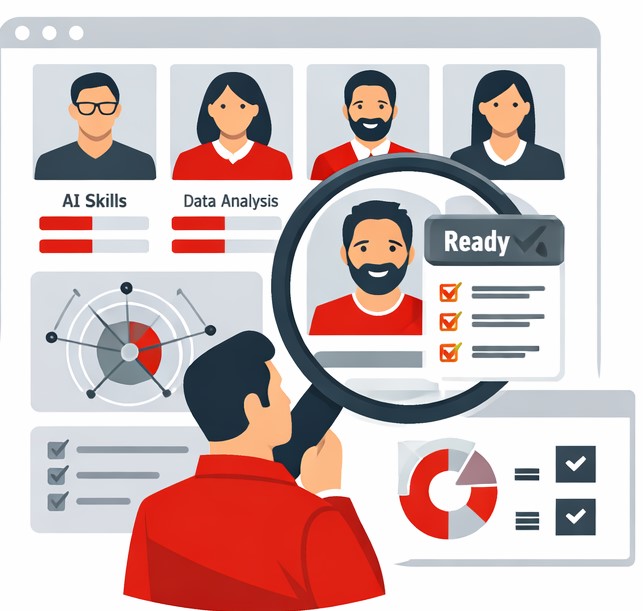
AI adoption happens at the Manager -> Team level. With continuous skills insights provided by WorkforceAI, managers can see the road ahead more clearly, provide more useful support, lead with greater confidence, and build higher levels of trust with their teams.
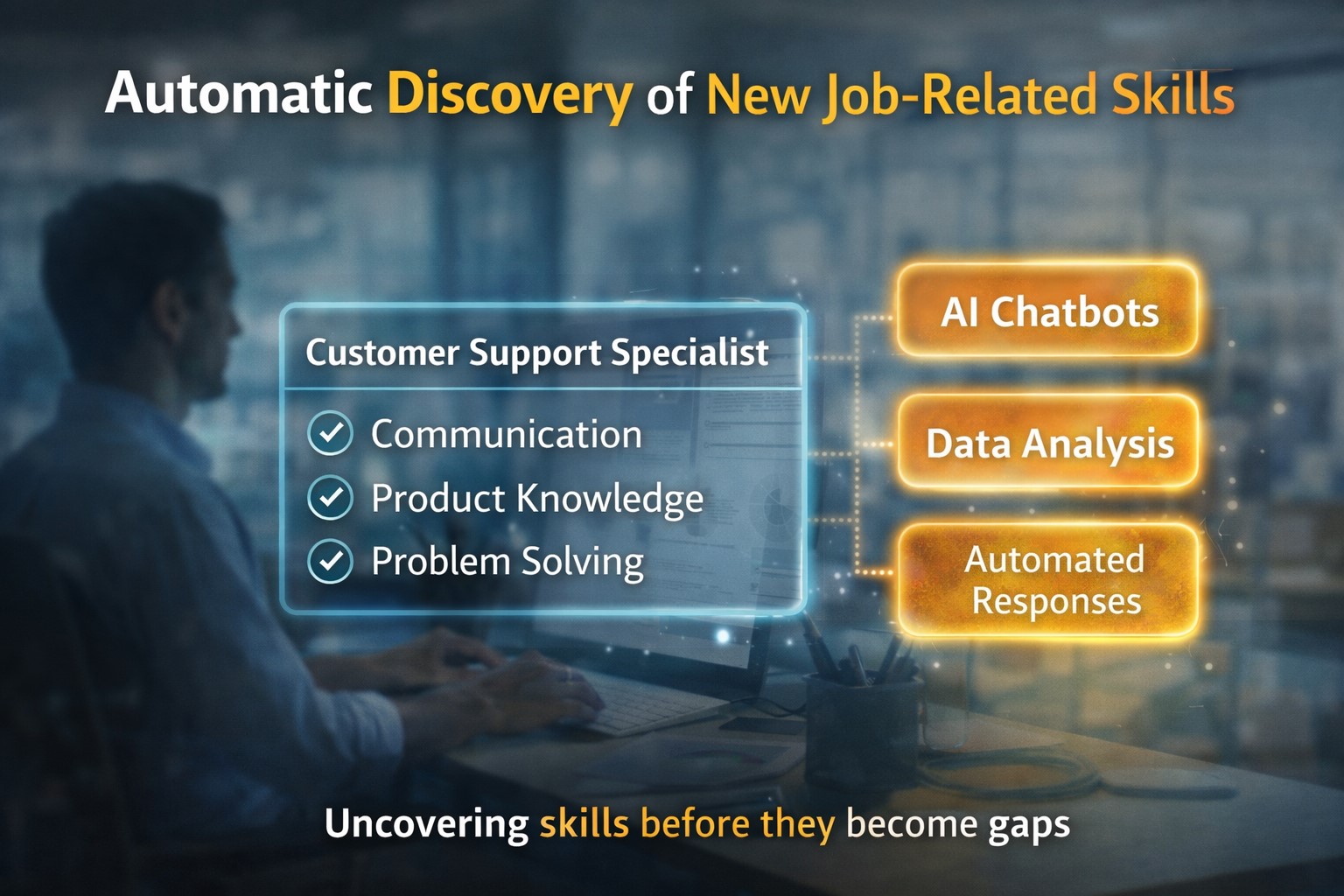
Continuous Skills Insights – The Key Ingredient of Success
Organizations that succeed with AI adoption look beyond data. They continuously assess team readiness as change comes down the pipe.
AI initiatives deliver expected results when foundational team skills are up to date on the latest upgrades.
Managers need a system that can track and alert them about the latest releases that affect their teams.
Often overlooked is the need to assess skills first before teams commence work on an AI project. Managers need to stay up to date on AI releases that affect their teams' job roles to keep current with change that affects team readiness.
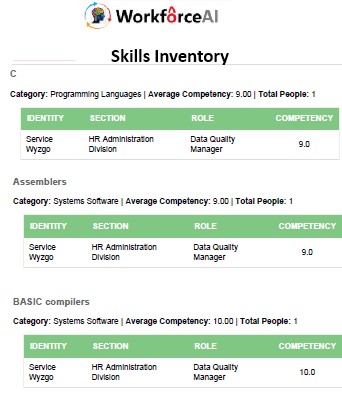
A Glimpse Into Skills Insights
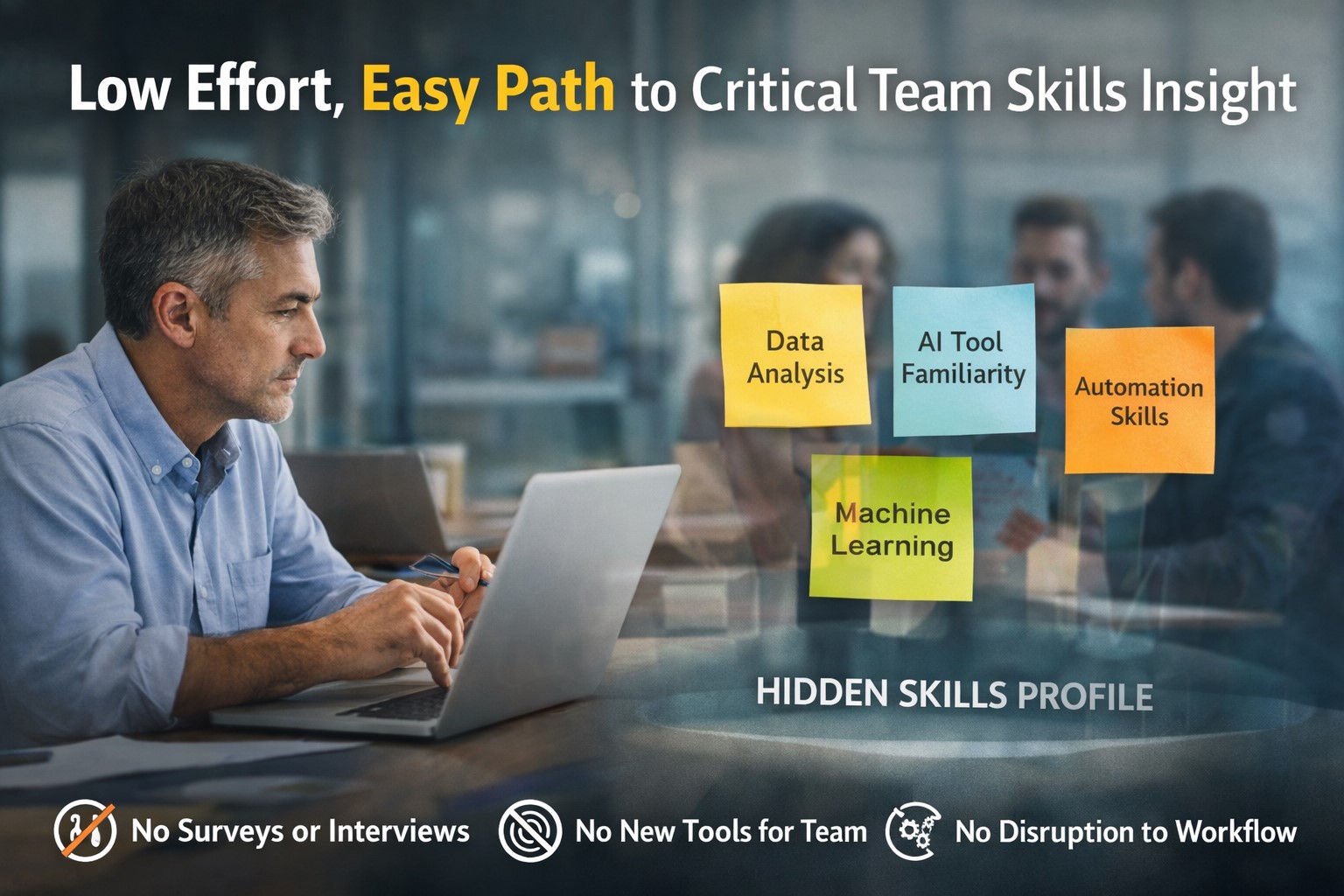
WorkforceAI delivers structured team skills intelligence within 48 hours of making a request—fast enough to support timely management decisions. This way, managers have early insight into their team members skills capabilities.
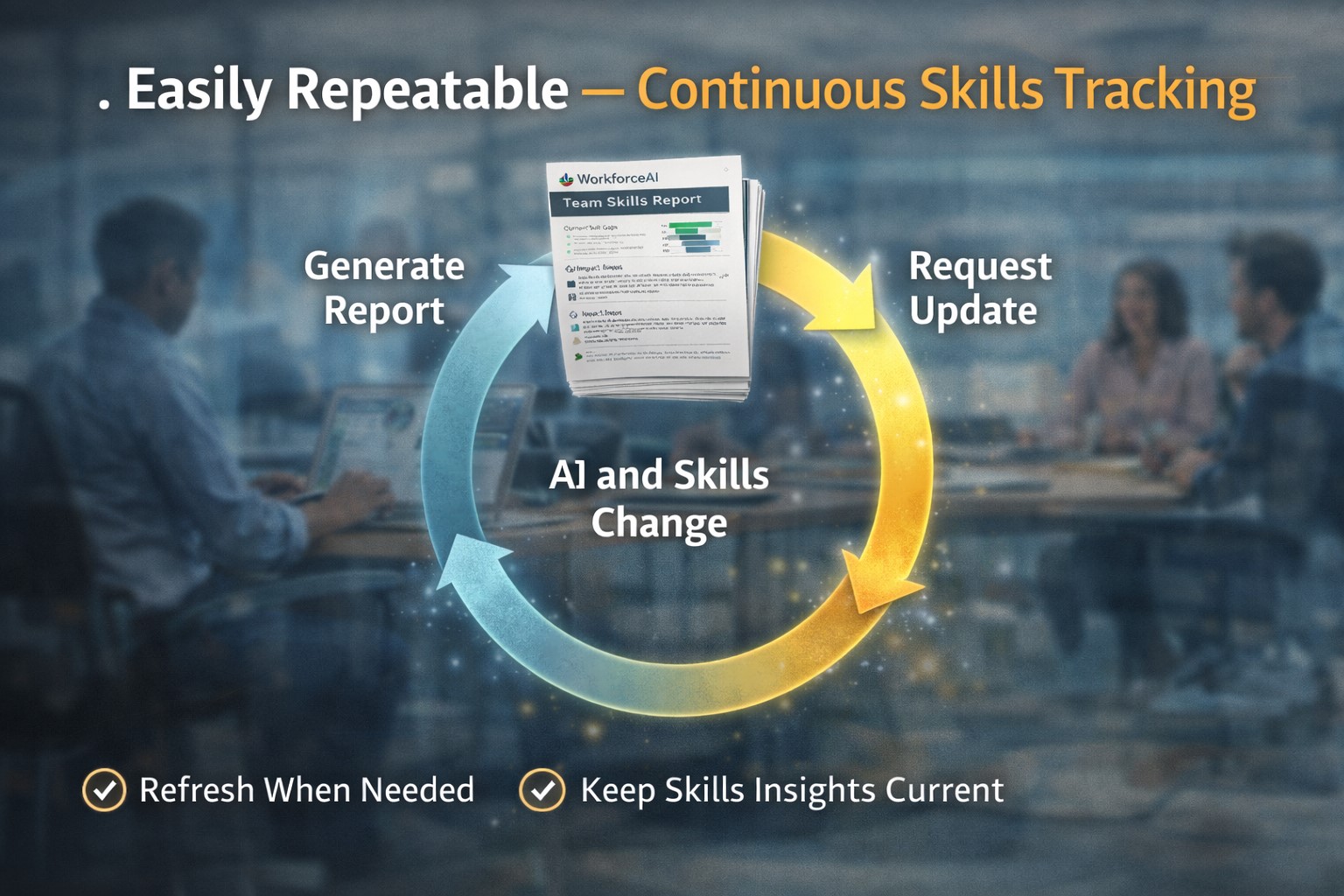
Early Warning Signals : An Absolute Game Changer
Early warning signals serve as a "compass and lifeline" guiding the execution of the final stages of AI adoption.
By timely detection of slow drifts of real-world data away from training data and shifts from current to emerging technologies, managers can proactively take early action to prevent valued AI projects from silent slow degradation. Managers and teams can use this early warning data to retrain or adjust models before performance starts to decline.
Early action is an absolute plus that can mean the difference between AI project success or failure, saving millions in losses.
WorkforceAI proactively identifies changes in job roles and related skills from AI releases and alerts managers whose team skills may likely be impacted.
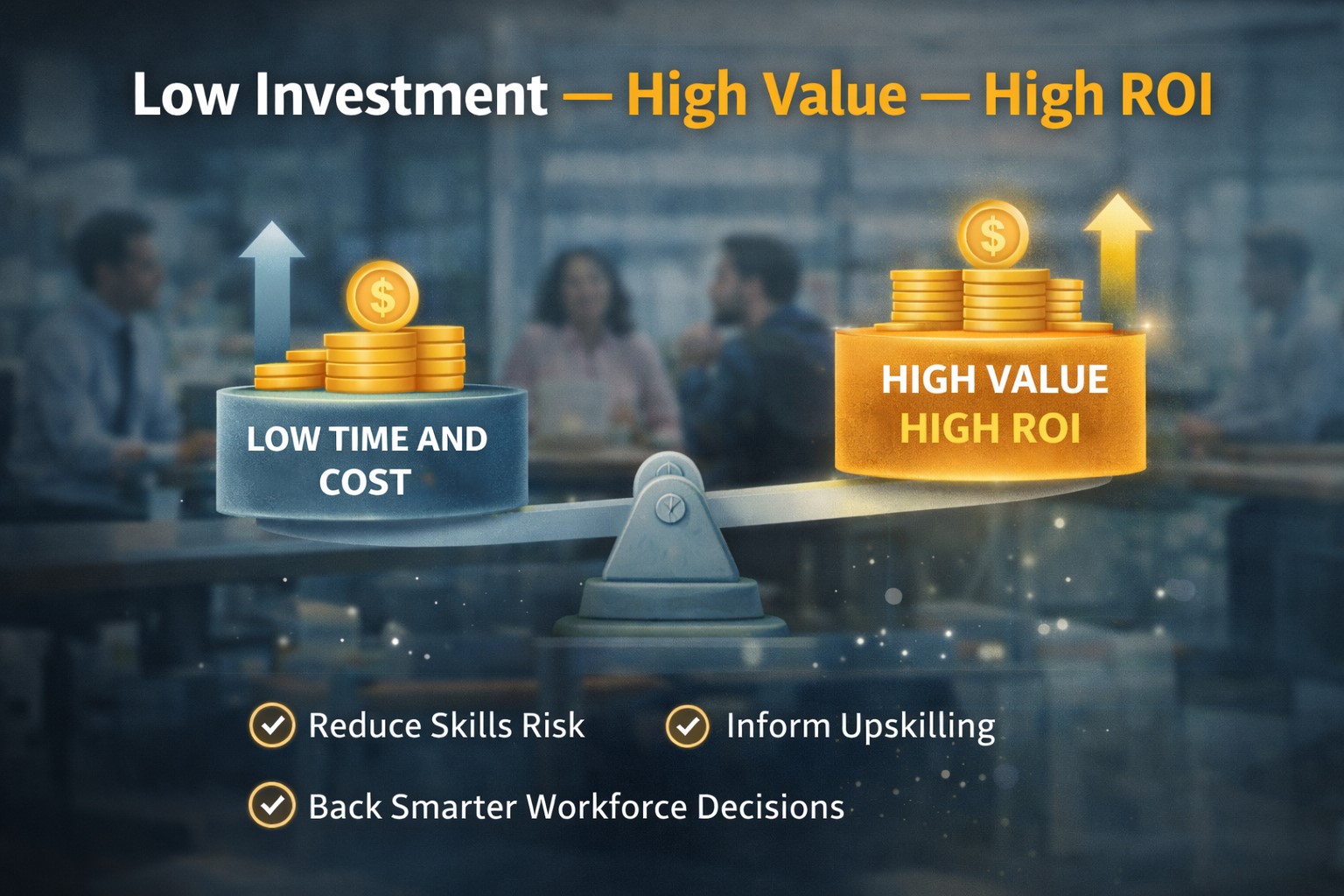
How Organizations Adapt To Fast AI Change
AI adoption is an ongoing journey.
Expiring skills top the list of reasons why organizations fail to keep pace with AI change. The challenge is the ability of teams to identify and embed AI updates into daily workflows.
Traditional change management and training methods cannot respond to this challenge.
Compounding this is a leadership learning lag that deters senior executives and managers from keeping pace with AI change.
New approaches are needed that move away from traditional change management and training methods toward dynamic skill architectures able to enhance AI skills continuously.
To meet this challenge, organizations now focus on a "people-first" AI adoption method, using AI to augment rather than replace employees. One such approach is embedding training into workflows by integrating AI learning into daily tasks.
Companies that succeed show higher task productivity and higher employee engagement.
Learn From Big Bang Failures
Deploying AI methods to integrate with large-scale monolithic systems, numerous AI agents, and LLMs is a monstrously complex undertaking, replete with failure loopholes.
Big-bang AI adoption initiatives have failed to deliver on expectations. The small number of organizations that succeed avoid this trap. Instead, they adopt a disciplined, incremental approach focused on smaller progressive wins that, together with people in the loop, are far more likely to deliver outcomes faster with lower risks.
Identifying a single, specific business bottleneck and solving that before advancing to the next hurdle is proving far more effective than trying to implement a full, massive platform all at once.
People supported by AI is showing the way forward. Successful firms recognize the dangers of relying primarily on AI and the importance of people, not just technology, as a key component of successful AI deployment.
Using early warning facilities and leading indicators are essential tools for effective management of AI projects.
These deliver visible value earlier, driving incremental improvements, building momentum, and strengthening organizational confidence more reliably.
WorkforceAI fills a key void by providing decision-makers the people skills insights needed to succeed with AI adoption.
AI adoption is an ongoing journey. Expiring skills top the list of reasons why organizations fail to keep pace with AI change. The challenge is the ability of teams to identify and embed AI updates into daily workflows.
Traditional change management and training methods cannot respond to this challenge.
Compounding this is a leadership learning lag that deters senior executives and managers from keeping pace with AI change.
New approaches are needed that move away from traditional change management and training approaches toward dynamic skill architectures able to enhance AI skills continuously.
To meet this challenge, organizations now focus on a "people-first" AI adoption method, using AI to augment rather than replace employees. One such approach is to embed training into workflows by integrating AI learning into daily tasks.
Companies that succeed show higher task productivity and higher employee engagement.
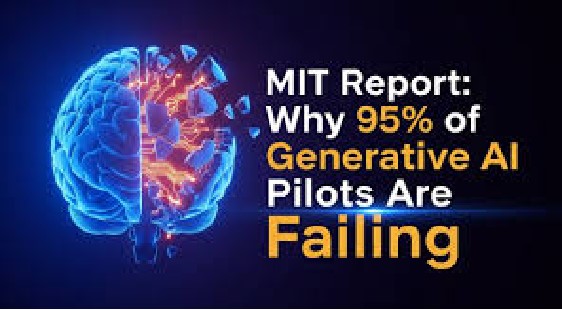
Recent research by reputable firms like MIT reveals the high rate of failures among big-brand companies that tried the big-bang approach to AI adoption, and most failed miserably, losing billions in the process. We can learn from their mistakes.
While data and integration issues topped the list of causes at the preparation stage, lack of AI skill-ready talent at the execution stage also played a major role in these failures.
Failing to perform AI readiness assessments of teams and lacking insight into capabilities led to execution blindness that resulted in frustrated employees, low adoption rates, and active resistance as they saw AI as a threat to their roles.
The 5% that succeeded used a series of smaller initiatives that showed far better outcomes within the same time frame and significantly higher employee morale.

Your AI Readiness Assessment Check
The gap between ambition and execution is enormous. An AI readiness assessment shows exactly where your organization is and where the gaps are. Main factors that impact AI readiness:
1. Strategy and leadership
• Examines leadership AI fluency and connects it to business objectives.
2. Governance and compliance
• Effective AI governance acts as an enabler of innovation.
• Without robust governance, organizations face significant risks, including legal, financial, and reputational damage.
• Compliance is a dynamic governance challenge and includes performance management for agents.
3. Data maturity
• Data quality, accessibility, governance, and infrastructure determine what AI can do and how reliably.
4. Technology infrastructure
• Organizations must have technical infrastructure that includes compute resources, development environments, model hosting, integration capabilities, and security controls.
5. Culture and change readiness
• Employee attitudes toward AI adoption often differ from leadership views.
• Lack of confidence in leadership AI competence, attitude to innovation, transparency, resistance to change, and shadow factors can play a significant role.
6. People and skills
• From leadership to front-line employees, your AI strategy is only as strong as your people skills. This is often the biggest failure stage.

AI transformation projects fail because skills capabilities across the organization cannot keep pace with change brought on by AI advances. WorkforceAI provides leadership the skills visibility, early insight and warning signals needed to avoid costly failures.
WorkforceAI’s final focus on AI execution extends the earlier stages of strategy, governance, data and models to identify weaknesses across each stage, and alert managers to remedy gaps and ensure projects deliver successful outcomes.
---- By treating AI as a "cybernetic teammate" rather than just a tool, teams that combine technical prowess with domain expertise and change management can deliver the highest-quality solutions and avoid catastrophic losses.
WorkforceAI is the only known solution today that enables managers to lead teams in AI Transformation with Efficiency and Confidence
What Team Managers Say

Doug Stewart - Marketing Manager, 321 Gang Inc.

Fuad Khan - CEO, Twelvedot.com

Idrees Ali - Business Strategy Consultant

Nabil Duale - Network & Security Specialist, Canadian Blood Services

Peter Brown - Global Workforce Leader, Partner, PwC UK

René Janssen - Founder & CEO, Lepaya

Kim Morick - IBM’s Global HR Technology Leader
Location
Our mailing address:
1956 Robertson RoadSuite 201
Ottawa, Ontario
Canada K2H 5B9

Contact Us
Location
Our mailing address :
1956 Robertson Road
Suit 201
Ottawa, Ontario
Canada K2H 5B9